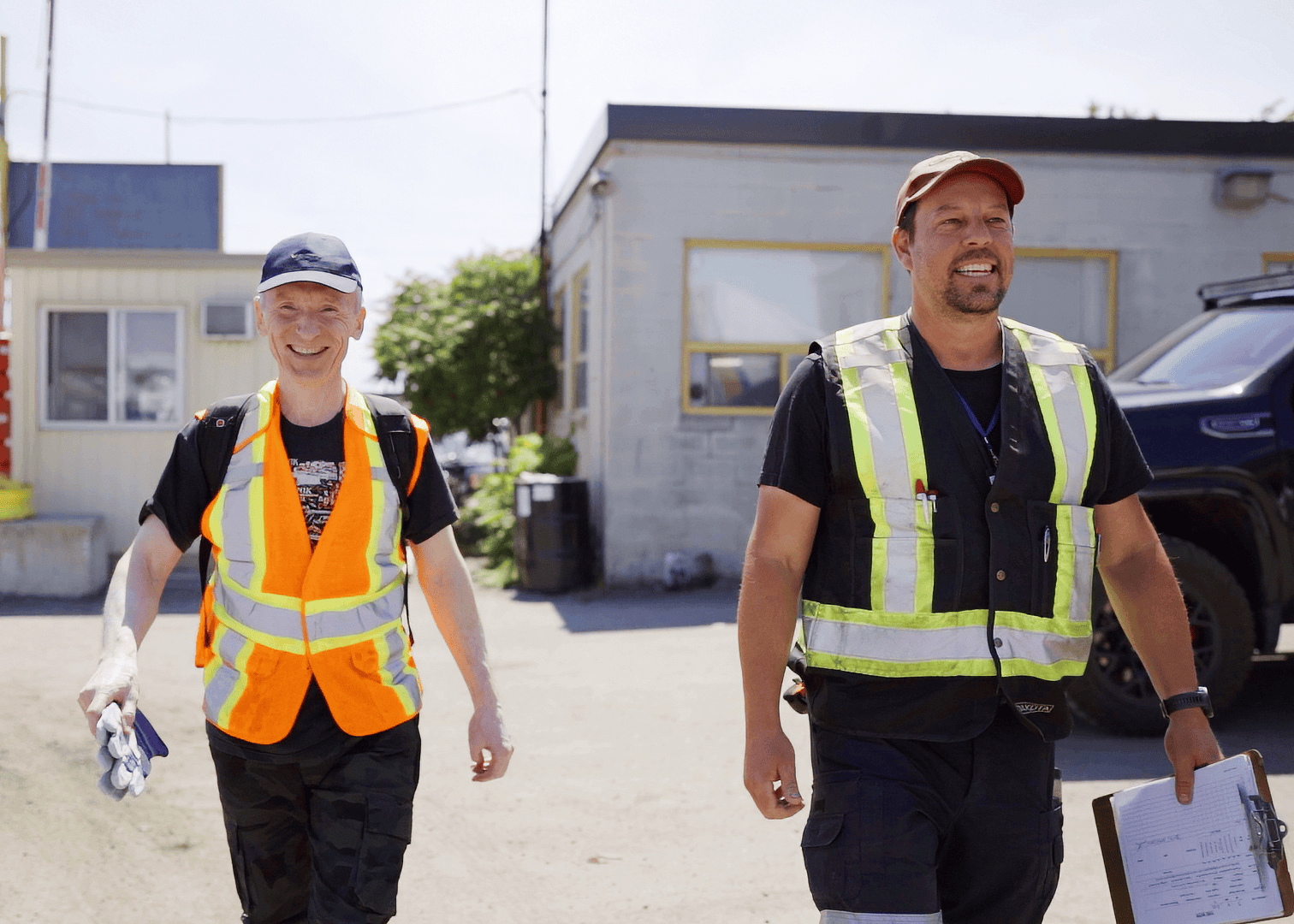
At Musket, we recognize that some of the best dispatchers are the ones who’ve spent years behind the wheel. They know the road, they know the stress, and they know what drivers really need in the moment. Few stories bring that truth to life better than CHET AZ Instructor Andrew C., who found himself in dispatch after an injury.
From Driver to Dispatcher
“When I was diagnosed with MS and awaiting test results, I asked if there was another position which I could fill,” Andrew recalls. “I was pleased that there was a dispatcher role available.”
For Andrew, that role wasn’t just a desk job, it became a chance to apply every mile of his driving experience to a new challenge.
The Edge of Experience

Dispatching is more than answering phones and plotting routes. It’s about balancing competing priorities: customer demands, pickup windows, load requirements, and driver safety. This is where former drivers shine.
Andrew explains, “Being a driver and having dealt with each dispatcher directly allowed me to help route drivers within the constraints of pick up windows and geographical areas. I was dispatching at a large LTL carrier where pick up times for various customers could be tight.”
That ability to see the bigger picture while understanding the reality on the ground makes all the difference. For example, a dispatcher who’s never sat through a four-hour wait at a dock may underestimate the toll it takes on a driver’s day. A dispatcher who has been there knows how to anticipate delays, plan smarter, and communicate with empathy.
The Respect Factor
Drivers immediately recognize when their dispatcher has “been there.”
Andrew says, “By having done almost every LTL, dedicated, and full load route, being able to give directions to a driver over the phone without needing to check on routing was very much appreciated by all the drivers I dealt with.”
That kind of trust builds faster when drivers know the person giving directions has firsthand knowledge of the routes, the cities, and the challenges. It means less back-and-forth, fewer mistakes, and a stronger sense of teamwork.
A dispatcher will have to be able to know what every driver at their disposal is capable of doing and how efficient they are at doing those things.
Smarter Decisions, Faster
Dispatchers make dozens of decisions every day, and often under pressure. Knowing the equipment, the loads, and the quirks of the job can mean the difference between a smooth run and a costly mistake.
Andrew puts it plainly: “Being an LTL carrier we dealt with single axle, tandem axle, tridem, and quad axle trailers with and without heaters. Also, we used flatbed rack and tarp trailers as well as roll tight trailers. Knowing that specific customers required specific equipment and knowing which drivers (being the ones that taught me how to use it) can use that equipment efficiently.”
A dispatcher with driving experience doesn’t just assign a trailer, they match the right driver with the right load, cutting down on wasted time, damaged freight, and frustration on both sides.
Teaching the Next Generation
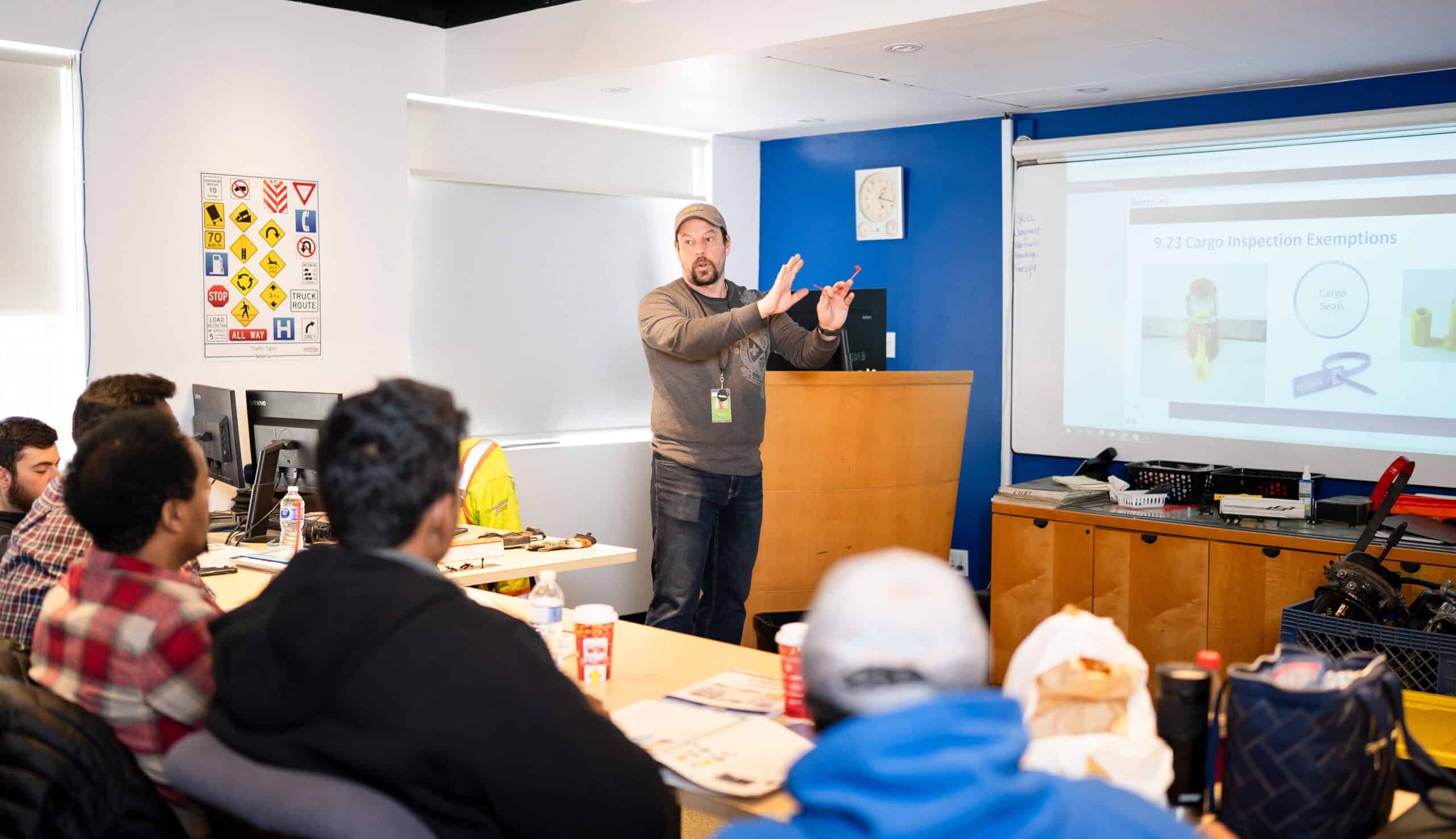
Now an instructor, Andrew carries those lessons into the classroom. “I always let students know that if they ever stop learning about different parts of this industry then they should step away and reconsider the path they want to take.”
That mindset—never stop learning—is exactly what makes drivers-turned-dispatchers so effective. They’re not just working off a spreadsheet. They’re constantly applying new knowledge to keep freight moving and drivers supported.
When the Road Changes Direction
For many drivers sidelined by injury or looking for a change, dispatch may seem like a natural pivot. Andrew offers a balanced perspective: “Dispatch is not for everyone. A driver who is burnt out from the road likely won’t find less stress in dispatch. Depending on the type of injury moving to dispatch could be fulfilling. Being a dispatcher takes a certain type of person, they will need to deal with drivers, management, sales teams, maintenance, and customers. A dispatcher will have to be able to know what every driver at their disposal is capable of doing and how efficient they are at doing those things.”
While dispatch carries its own stresses, for the right person it can be rewarding. The skills built on the road: time management, problem-solving, adaptability, and communication; they all transfer directly to the role. And as Andrew’s story shows, the respect earned through experience is something that simply can’t be faked.

The Case for Drivers in Dispatch
Andrew’s journey makes one thing clear: the road is the best training ground for the dispatch desk. Drivers who step into dispatch bring:
- Firsthand knowledge of routes, freight, and equipment
- Empathy for the challenges drivers face daily
- Credibility and respect from the driver team
- Better decision-making under pressure
In an industry where minutes matter and trust is everything, that combination can’t be beat.
At Musket, we’re proud to see drivers grow into dispatch roles, and even prouder to see them, like Andrew, bringing those lessons forward to train the next generation.