Black History Month is a time to reflect not only on history, but on momentum, and on the people building new pathways where few existed before. For Abdighani Ali, Hanad Elmi, and Sulaman Muse, that pathway runs straight through the trucking industry.
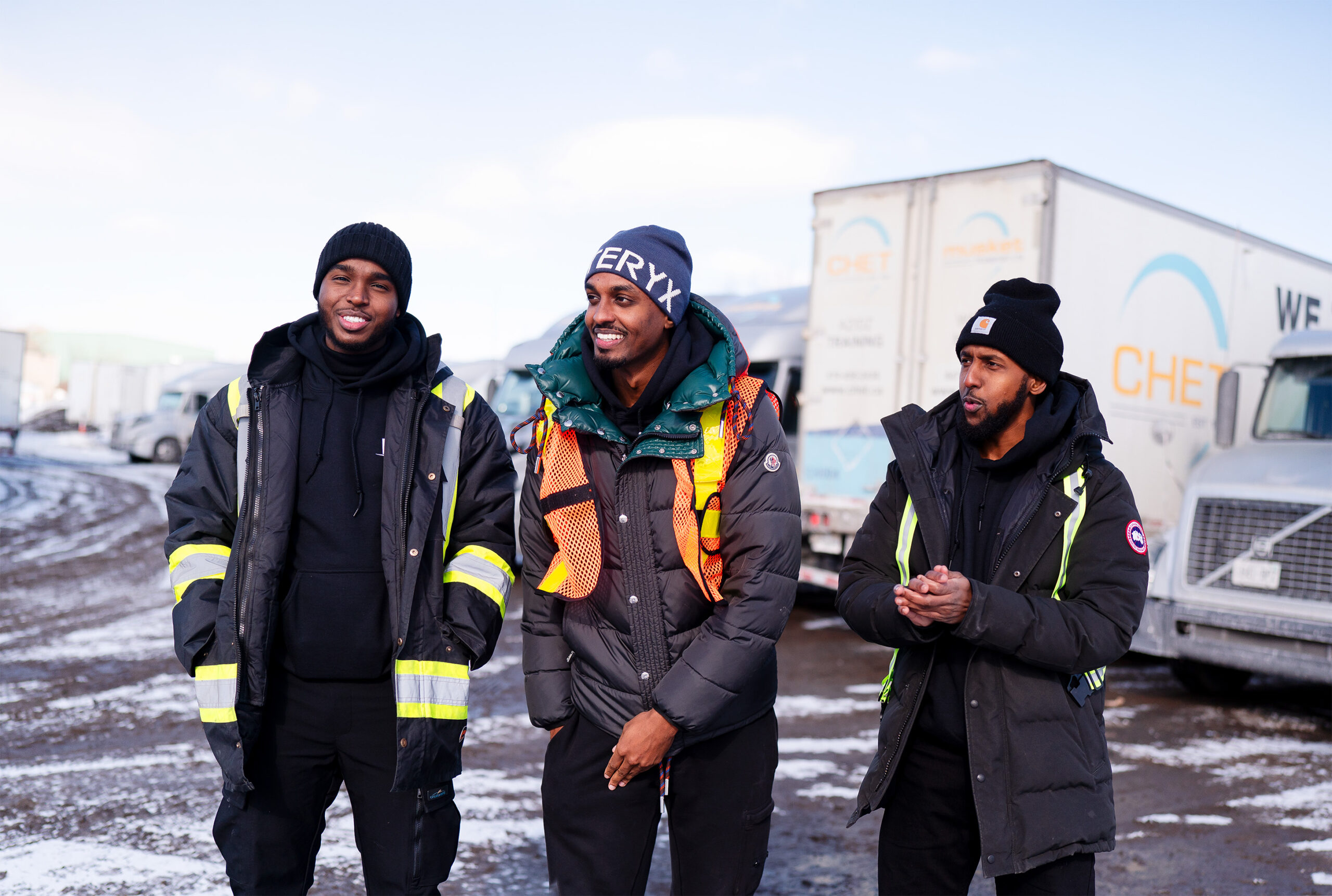
“Hi, my name is Hanad Elmi and I’m a co-founder and director of youth services for Highway to Hope.”
“My name is Abdighani Ali. I am one of the co-founders and executive director of Highway to Hope.”
“My name is Sulaman Muse and I’m a co-founder and director of program development of Highway to Hope.”
All three grew up in Toronto’s Jane and Finch community, a neighborhood they describe as filled with potential, but also with barriers.
“Our lives prior to us getting our trucking licenses were kind of filled with a little bit of confusion and uncertainty about what our future would hold,” Hanad explains. “Myself and my co-founders here, we grew up in a community called Jane and Finch and it doesn’t really have the best reputation… a lot of youth sometimes get caught up with things they shouldn’t be, and end up maybe hanging out with the wrong crowd.”
They knew they wanted something different.
“Growing up in this community is something we know we didn’t want for ourselves,” Hanad says. “So, we were able to use trucking as a way to change our circumstances.”
Getting their AZ licenses changed everything.
“Primarily, getting our trucking licenses changed our lives drastically,” Hanad says. “Within a few years, I was able to really change my life completely. I was able to have financial stability and independence, and was able to move out of Jane and Finch and build a life for myself that I didn’t really see as possible.”
“Something clicked. This just wasn’t about us. And that’s when the dream sparked Highway to Hope.“
Abdi’s experience was similar. After COVID, he lost a contract job and found himself searching for stability.
“I had rent to pay, I had bills due and I was looking for things to get into or work and I just stumbled upon trucking. It changed my life for the better. I was able to get into a stable career. I was able to pay off my debt, from credit card debt to student loans. And my overall life just improved.”
“Right after getting my license, I got a job within a couple weeks. Things started to change immediately… I was making double or even a little bit more than that. I was able to save money to buy a car. And my overall quality of life changed drastically.”
For Sulaman, the impact was just as direct.
“For me personally, trucking changed everything. It gave me real income, stability and options. It gave us the options to clear debt, not worry about taking care of the family, and not stressing about surviving week to week.”
But what struck them most was how many capable young people were still standing at the edge of opportunity without a clear path forward.
“When people from our community started asking us questions, we realized there’s a lot of capable young people that were blocked by guidance, cost, and access,” Abdi says. “And then something clicked. This just wasn’t about us. And that’s when the dream sparked Highway to Hope.”
A TANGIBLE ROAD FORWARD
“The name Highway to Hope represents a real road forward, not hope just as an idea, but something more tangible. Something that leads to more opportunity,” Abdi explains.
Hanad adds, “Kind of like a metaphor, like showing that it’s a pathway for youth… showing them a pathway to better themselves.”
Highway to Hope focuses on Black and Indigenous youth from low-income and underserved communities. Their mission is straightforward: introduce young people to trucking, guide them through AZ training, and support them all the way into stable employment.
“The major gaps for youths entering the industry, I would say, is cost, access, and guidance,” Sulaman says. “Training is already expensive, especially when there’s no mentorship and you couple that with financial struggle, you have people hesitating and giving up.”
Mentorship is central to their model.
“You need somebody that’s walked that walk,” Hanad explains. “Having that someone that can guide them and has been through the process is an asset. Just having somebody to be there for you and check in and guide you through the process is truly something that will set up the youth in our program for success.”
Abdi describes it simply: “Like having your own community. People that are like minded, that are all on the same path. Trying to achieve one goal and get that license, change your life.”
TRAINING WITH PURPOSE
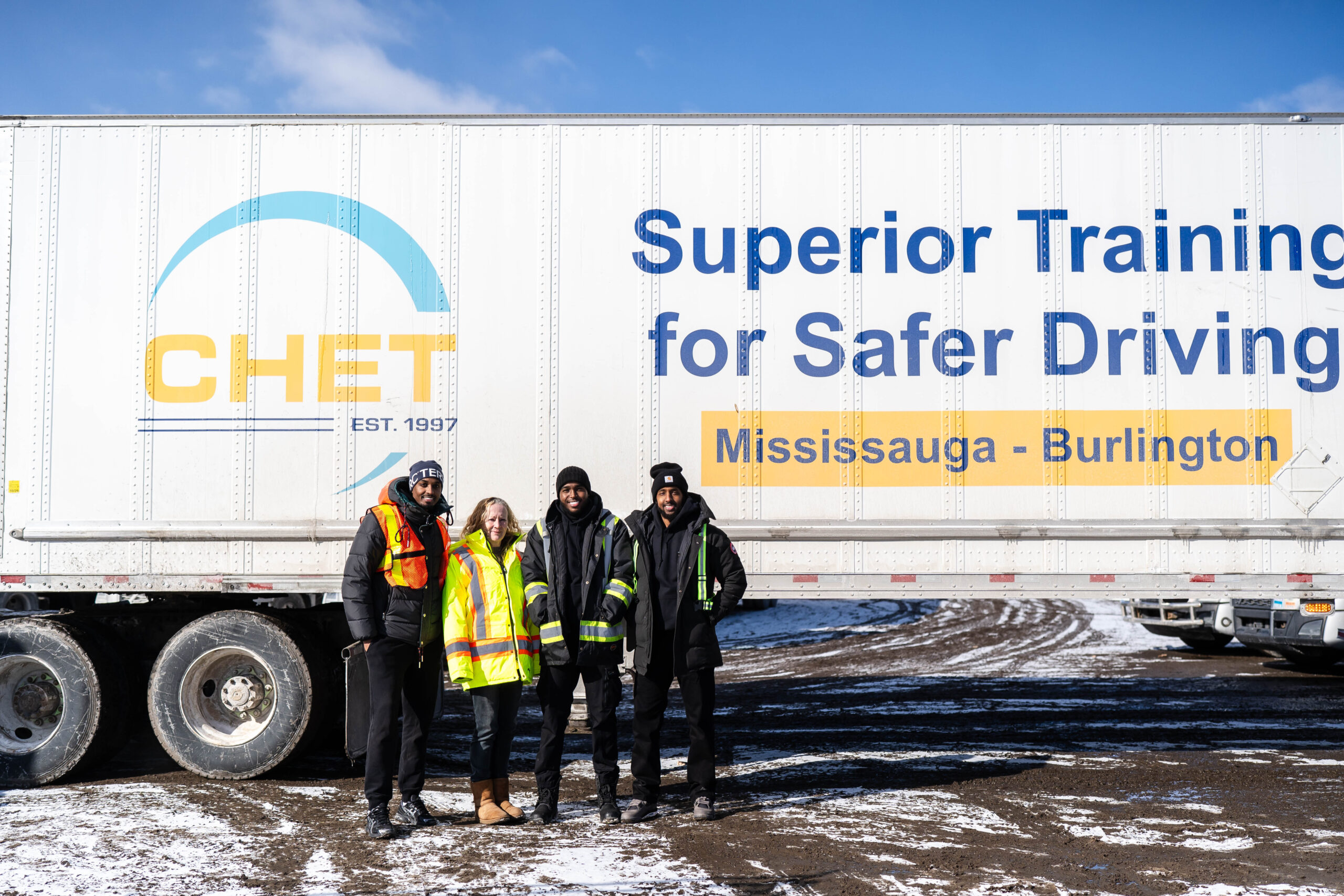
For Highway to Hope’s Drive and Thrive program, partnership matters. That’s why they chose CHET (Commercial Heavy Equipment Training) as their sole training provider.
“What stood out to us about CHET was how intentional their approach is,” Sulaman says. “It was more than just making sure that students pass, actually preparing them for real life situations and being ready for the industry.”
Consistency and high standards were key.
“We feel like CHET has a high standard level of training so every student knows what to expect to get the same level of training, the same level of expectations,” Sulaman adds.
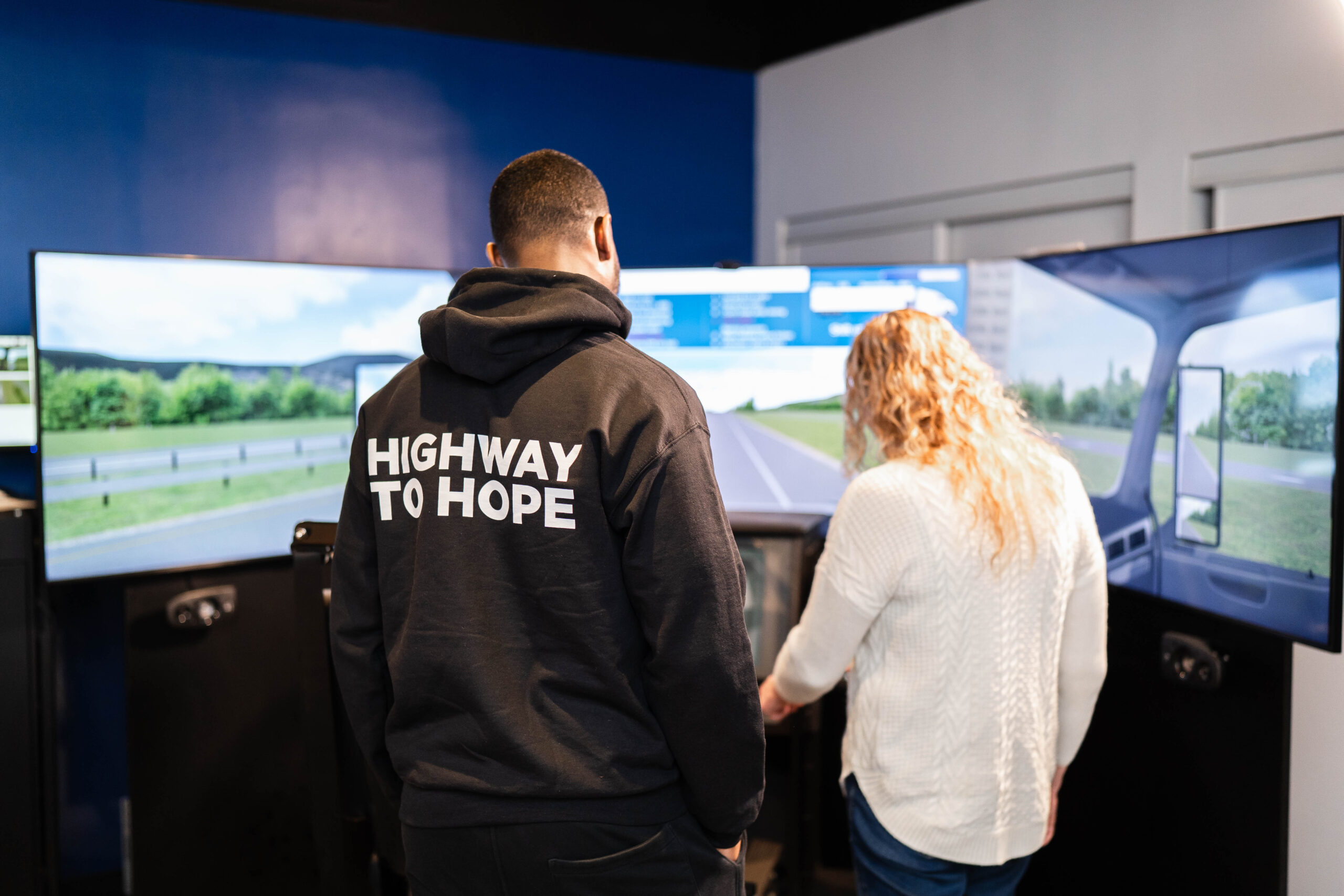
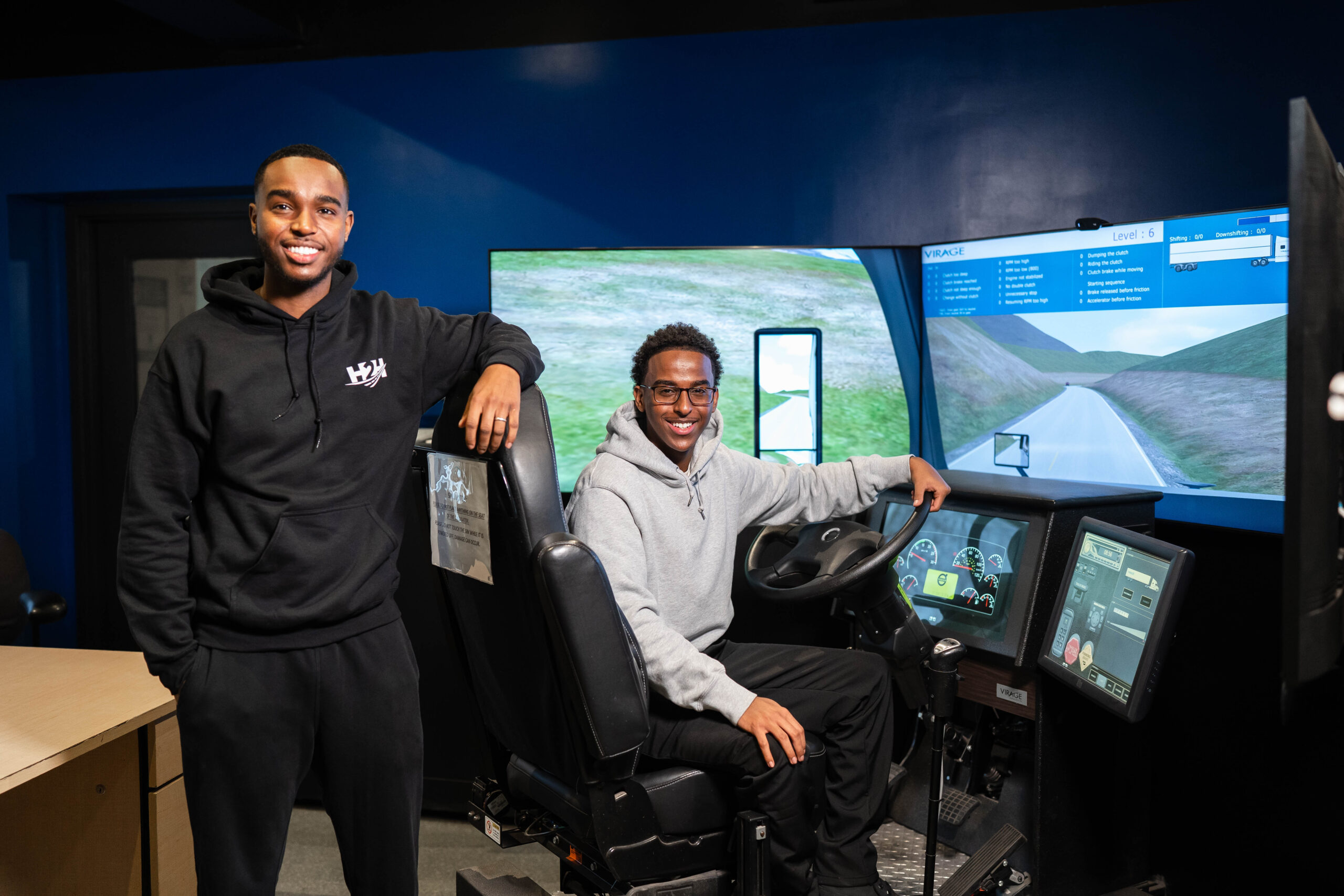
Hanad points to the realism in CHET’s approach. “They have a virtual simulator that gives youth the feel before they even get out on the road. I love the fact that when it comes to backing, that it’s kind of like a real-life situation where you’re backing in between two trailers.”
The goal is clear: not just passing a test, but preparing for a career.
INDUSTRY BELIEF IN ACTION
Support from industry partners like Musket Transport sends a powerful message.
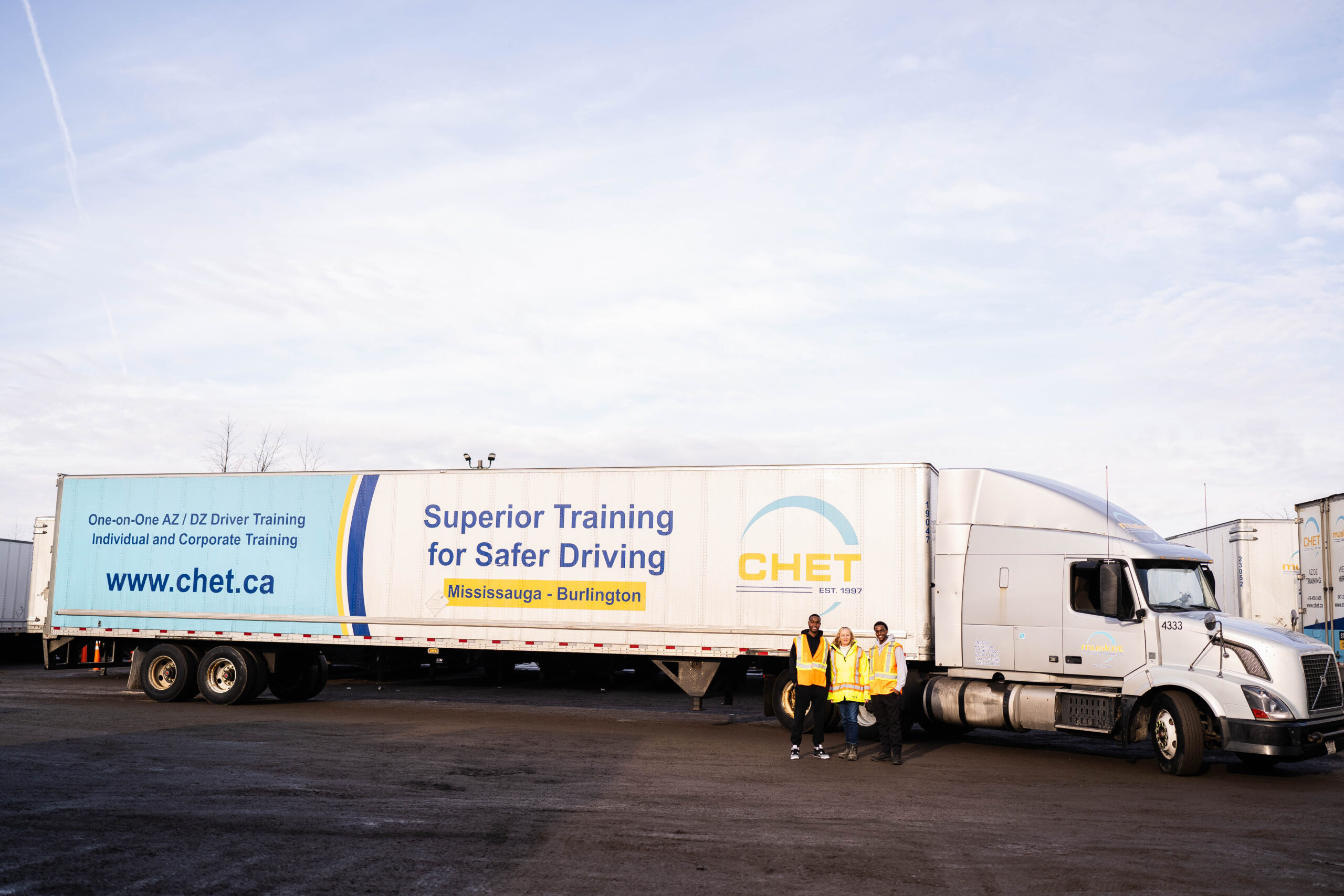
“Chet and Musket sponsoring a student shows belief,” Abdi says. “It shows that industry partners see value in these youth and are willing to invest in their future, not just talk about change.”
Hanad emphasizes the ripple effect. “That investment in sponsoring that youth is not only going to change that youth’s life, but also changing their family’s life as well.”
MORE THAN A LICENSE
Highway to Hope measures success from start to finish.
“For the first cohort to be successful for us would be to have the youth go through the entire program, see it from start to finish, get them licensed and have them working in the industry,” Hanad says. “The goal is to have the youth in our cohorts complete the program and have them licensed and working.”
Looking ahead, Abdi sees growth and deeper impact.
“Five years from today, I would hope to have multiple cohorts a year training our youth on financial literacy, providing more value than just getting that license.”
They’re also exploring broader transportation careers such as dispatch, brokering, mechanics, etc., ensuring youth see the full landscape of opportunity within logistics.
Representation plays a critical role.
“I think it’s very, very important to have representation in the trucking industry,” Hanad says. “When I see somebody that I went to school with, somebody that looks like me, it motivated me. If he can do it, I can do it too.”
A MESSAGE TO THE NEXT GENERATION
Sulaman’s message to youth is grounded and direct: “Your current situation doesn’t define who you are. With the right support and assistance, anything is possible and you can always move forward.”
Abdi keeps it simple: “Believe in yourselves.”
Highway to Hope is built on that belief, and on a practical, structured path to economic stability. By combining mentorship, high-quality training, wraparound support, and industry partnership, they are turning possibility into profession.
For Musket Transport, supporting initiatives like this is not just sponsorship. It is investment in people, in families, and in the long-term strength of the transportation industry itself.
As Abdighani puts it, “You’re not only funding someone’s license, you’re investing in people, and in communities.”