There’s a gap between how people think trucking works and what’s actually happening on the ground. Earth Day tends to amplify that gap with lots of talk about electric fleets and net zero timelines, but not much about what’s realistically moving the needle right now.
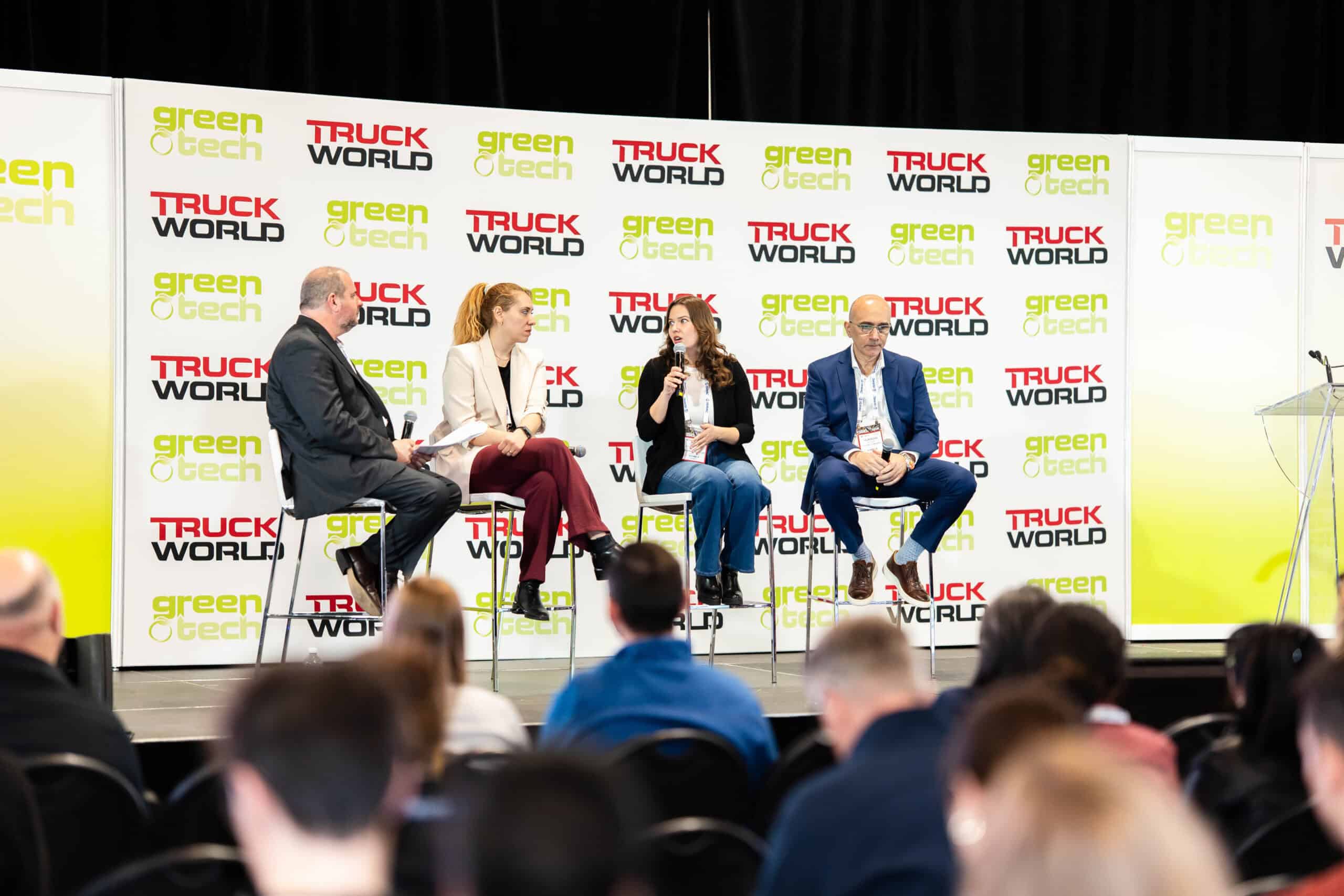
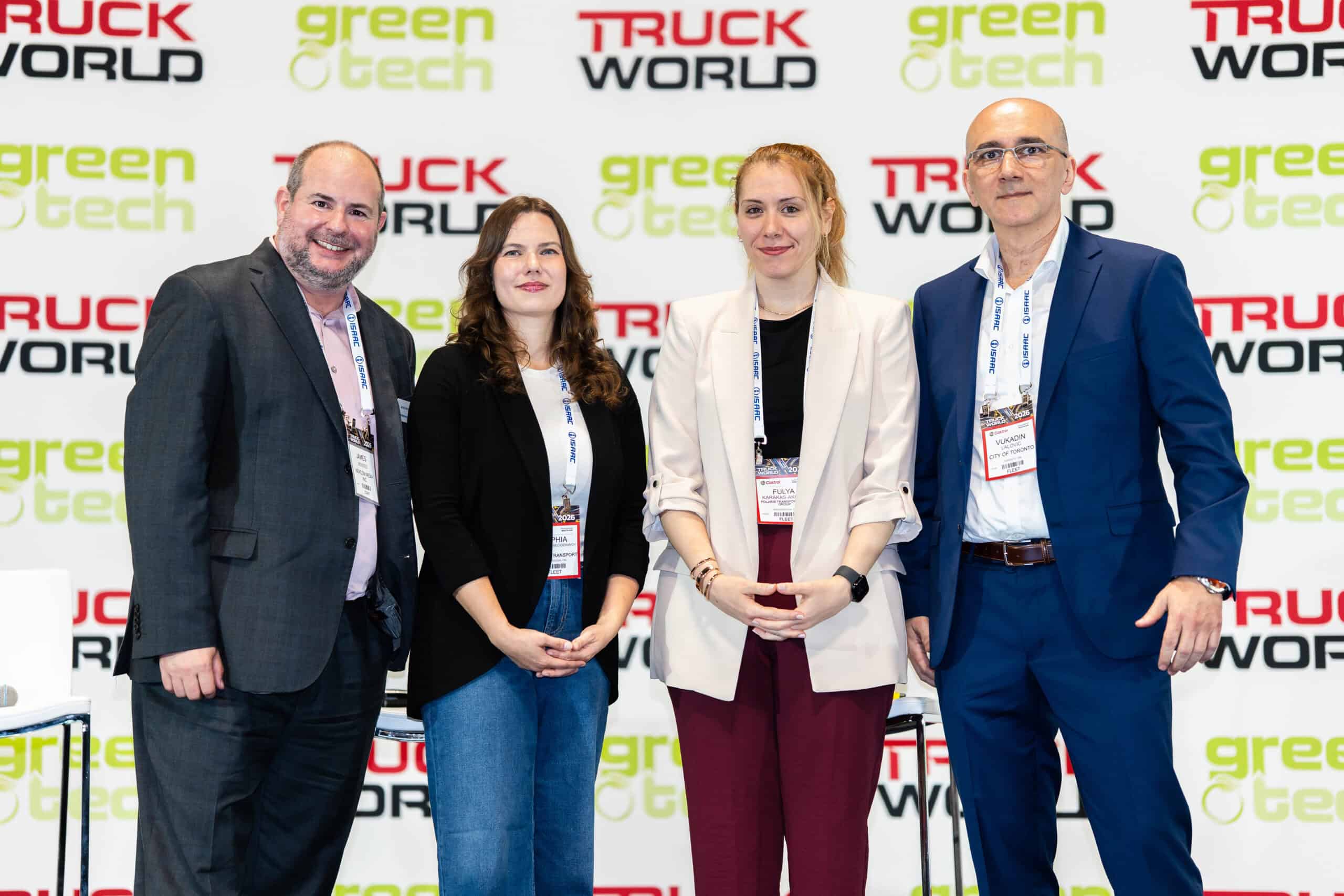
At the recent Truck Show panel, “Trucking Toward Net Zero: Inside the 2026 Fleet Sustainability Playbook,” Sophia Sniegowski, Corporate Communications Officer for Musket Transport brought a more grounded perspective. Not anti-innovation, just focused on what works today, not what looks good in a headline.
And the reality is pretty simple: sustainability in trucking isn’t a single breakthrough. It’s a series of smarter decisions stacked over time.
WHAT ACTUALLY REDUCES EMISSIONS RIGHT NOW
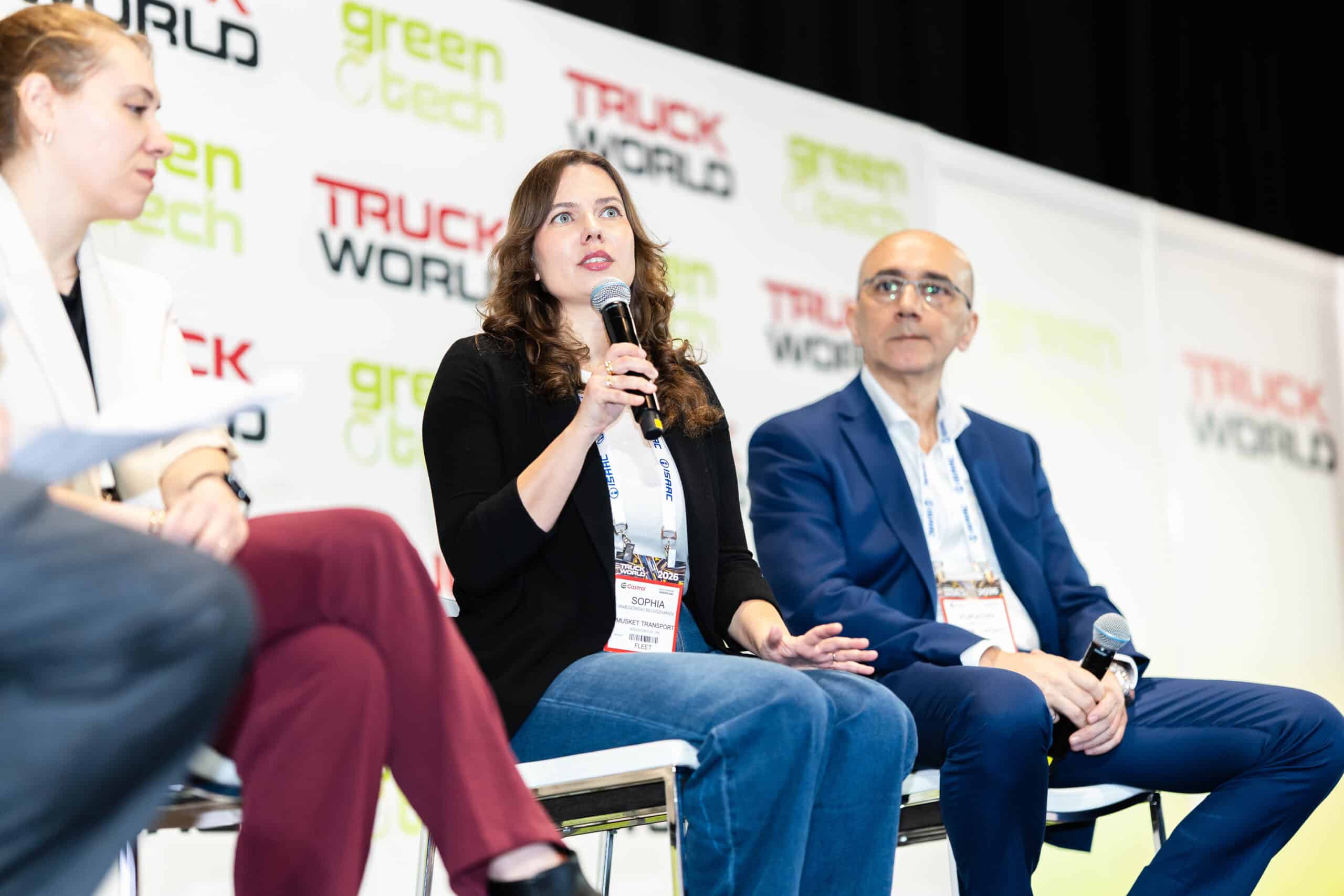
If you strip away the hype, one thing still dominates: fuel. Despite all the attention on electric vehicles, fuel efficiency remains the biggest lever for reducing emissions in long-haul trucking, and it’s not even close. That hasn’t changed. What has changed is how much better modern equipment has become.
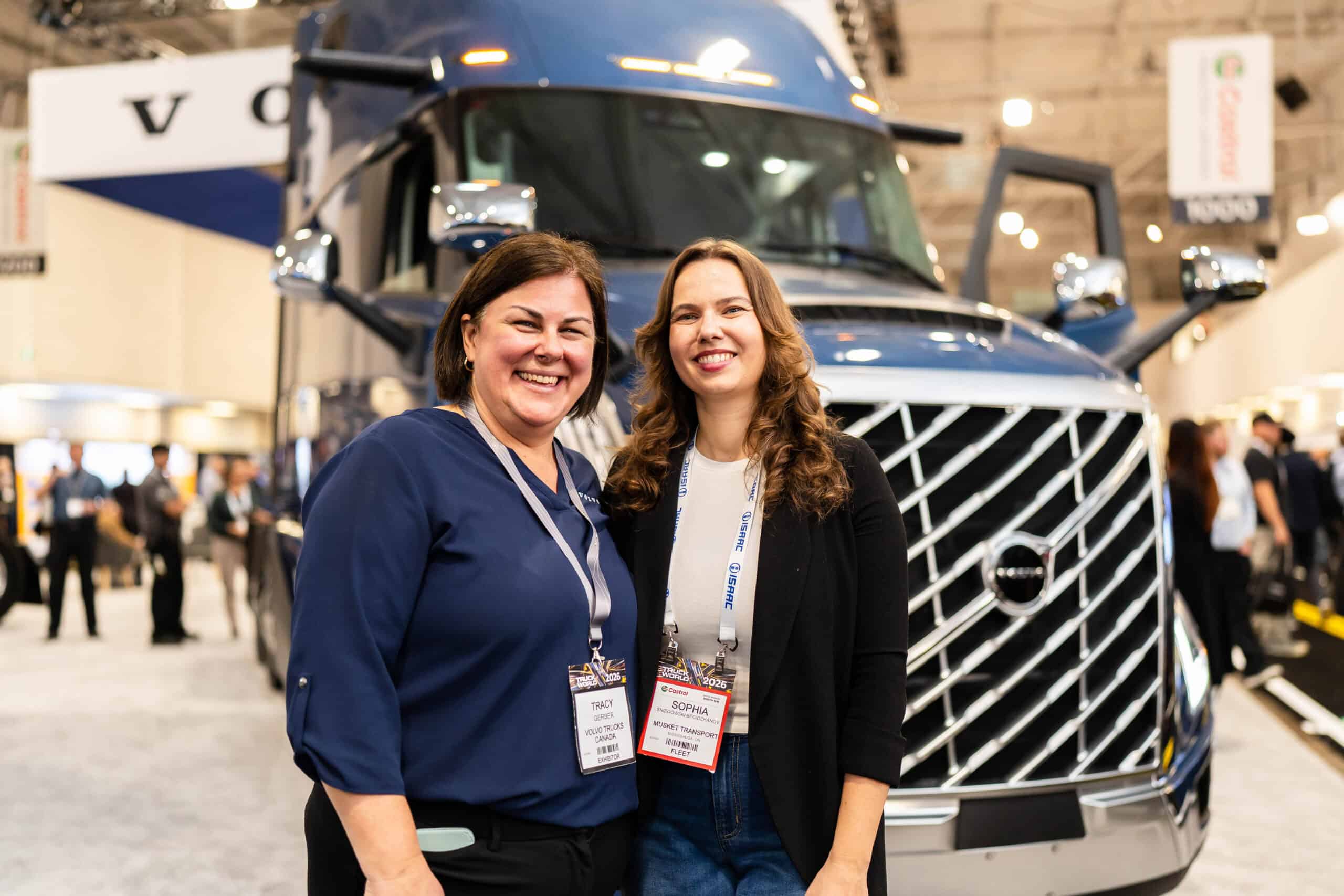
Musket’s approach reflects that. Instead of waiting for a perfect solution, the company continuously reinvests in newer trucks with more efficient engines, particularly in the latest Volvo and Freightliner models. Those upgrades quietly drive meaningful emissions reductions every single year without disrupting operations.
It’s not flashy. But it does work. And that’s the theme across the industry right now: progress is coming from evolution, not revolution.
THE “EASY WINS” MOST FLEETS OVERLOOK
A lot of carriers are already doing more than they think, they’re just not talking about it properly.
Here’s where Sophia’s advice delivers on practicality:
- Get recognized for what you’re already doing. Programs like SmartWay and SmartDriver aren’t just compliance checkboxes, they’re credibility tools that validate real efficiency gains.
- Use what’s available locally. Municipal tools like GHG calculators and regional training programs can kickstart proper emissions tracking faster than most expect.
- Leverage your data. ELDs and fleet tech already track fuel use and performance. Turn that into a sustainability story instead of letting it sit in a dashboard.
- Think beyond trucks. Land use, facilities, and even small environmental initiatives (like greening corporate spaces) add up and build culture internally.
None of this requires a billion-dollar investment or a full fleet overhaul. It just requires intention, and a bit of follow-through.
THE PR PROBLEM (AND OPPORTUNITY)
Here’s where things get interesting, especially for a younger audience.

There’s a persistent idea that trucking hasn’t evolved and that it’s still a “gas-guzzling” industry stuck in the past. That perception isn’t just outdated, it’s actively hurting the industry’s ability to attract talent and build trust.
The irony is that many carriers already have strong sustainability practices in place. They just don’t communicate them. Sophia’s take is direct: the responsibility to shift the narrative sits with the industry itself. That means highlighting fuel efficiency gains, showcasing operational improvements, and being transparent about both progress and limitations.
In other words, stop waiting for ‘perfect’ and start sharing ‘real’. Because credibility doesn’t come from claiming you’re green, it comes from showing your work.
SO… WHAT ABOUT ELECTRIC TRUCKS?
Short answer: not yet.
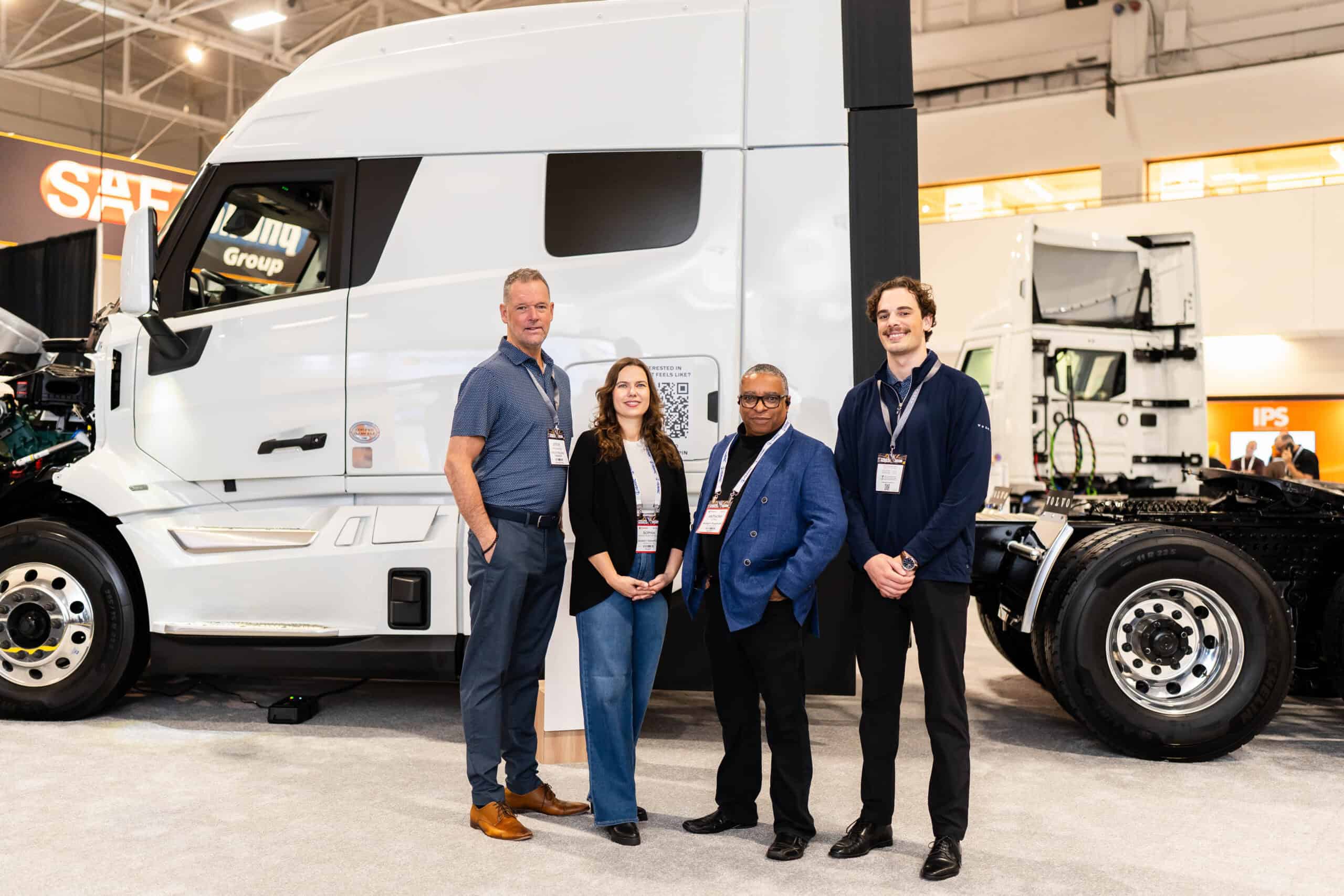
Long-haul electrification still faces major barriers such as cost, infrastructure, cross-border inconsistencies, and the need for full ecosystem support. Even pilot programs are difficult to justify without significant external funding or customer buy-in.
That doesn’t mean the technology is dead. It just means it’s not ready at scale for this segment of the industry. And that’s an important distinction.
The industry isn’t resisting change. It’s working within real-world constraints like geography, margins, and logistics that don’t always fit neatly into policy timelines.
SUSTAINABILITY DOES HELP THE BOTTOM LINE
This is the part that rarely makes headlines. There’s a common assumption that sustainability equals higher costs. In trucking, that’s often backwards.
Fuel efficiency reduces emissions and operating costs. Better route optimization lowers idle time and improves margins. Smarter equipment investments reduce maintenance and environmental impact.
The overlap is significant.
The challenge isn’t in proving the value, it’s in aligning timelines. Many sustainability investments pay off over time, while the industry operates on tight, short-term margins. Add in limited government incentives and customers who aren’t willing to pay more, and the equation gets complicated fast.
Still, the fundamentals hold: the most effective sustainability strategies are the ones that make operational sense first.
THE BIGGER PICTURE
If there was one takeaway from the panel, it’s this: there’s no single roadmap to net zero.
Some fleets will lead with new technology. Others will focus on measurement, culture, and incremental gains. Most will land somewhere in between.
But the idea that trucking is standing still? That’s the real myth.
The industry is changing, it’s just doing it in a way that actually works. And if you’re paying attention, you’ll notice something else: the same decisions that make fleets more sustainable are the ones making them more competitive. Not a bad direction to be heading.
Read the Truck News article to learn more about the Truck Show panel, “Trucking Toward Net Zero: Inside the 2026 Fleet Sustainability Playbook.”